Mitraja works with displaced communities to strengthen the systems that enable people to shape their own futures. We use three interconnected pillars.
Every community carries knowledge: stories, histories, skills, culture, ecology, memory, experience. But what is not recognised can easily be forgotten, undervalued or disconnected from opportunity. Mitraja works with communities to document, revive and communicate what already exists.
Recording community histories and stories.
Supporting communities to reconnect with cultural practices and traditions.
Recognising local ecological and community knowledge systems.
Identifying knowledge-keepers and creating spaces for intergenerational learning.
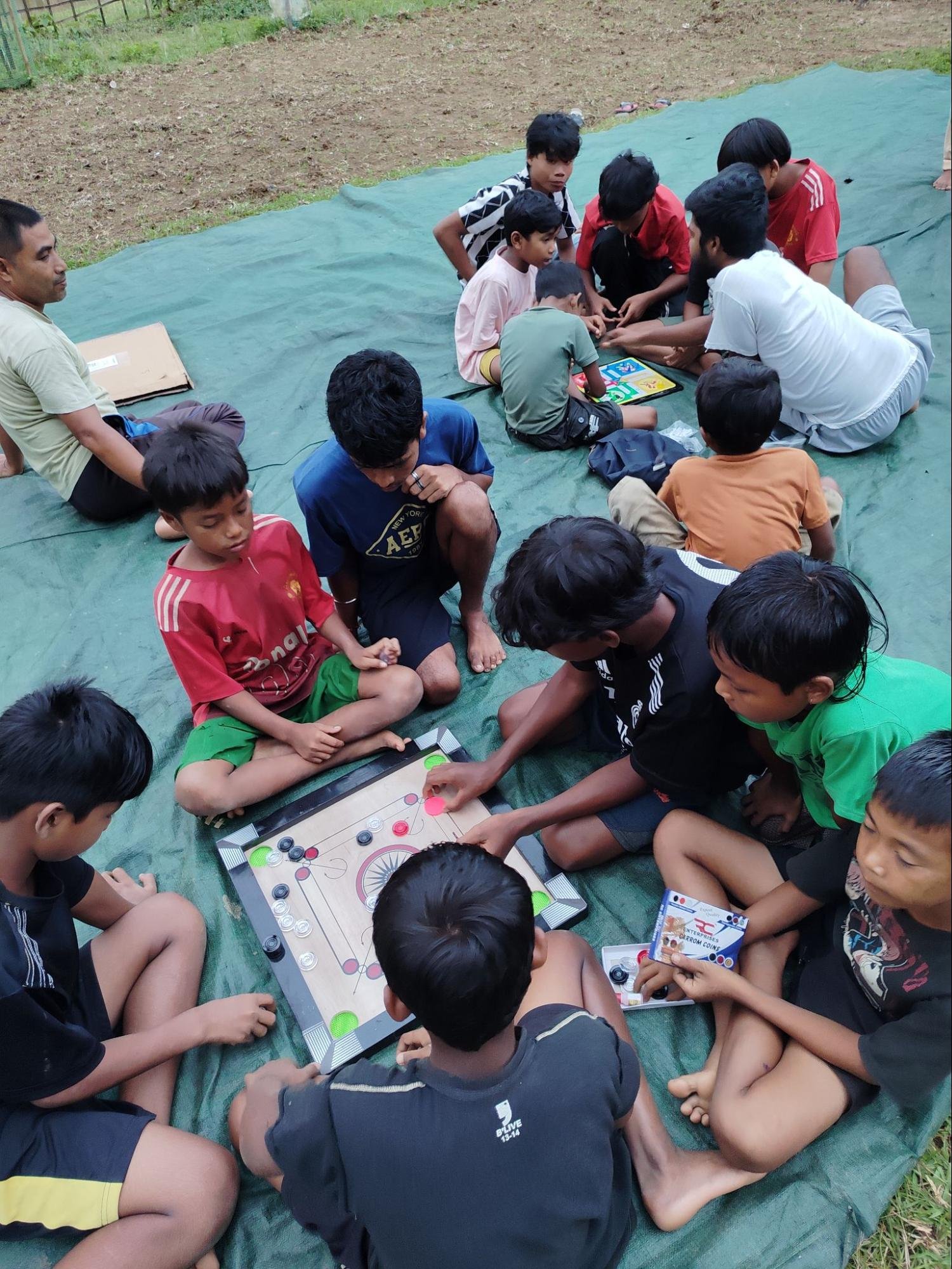
Recognising youth potential and aspirations through sports, meditation, yoga, self-esteem building, communication, critical thinking and Social Emotional Ethical Learning (SEEL).
Recognition is only the beginning. Communities also need access to resources, skills, knowledge, networks and opportunities. Mitraja works to connect community potential with these resources, through creative livelihoods, learning resources like Apollo Library, and partnerships with organisations, practitioners and institutions.
The objective is not simply to teach a skill. It is to explore how local knowledge and creativity can become pathways to meaningful and sustainable livelihoods.
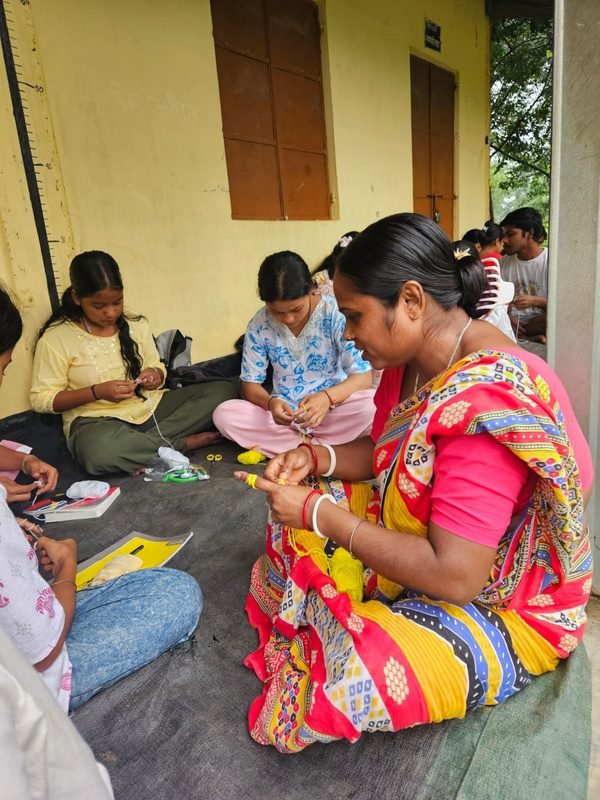 Crochet & Knitting
With Kasiyoli Store. Mostly taken up by women in the community, building craft and income together.
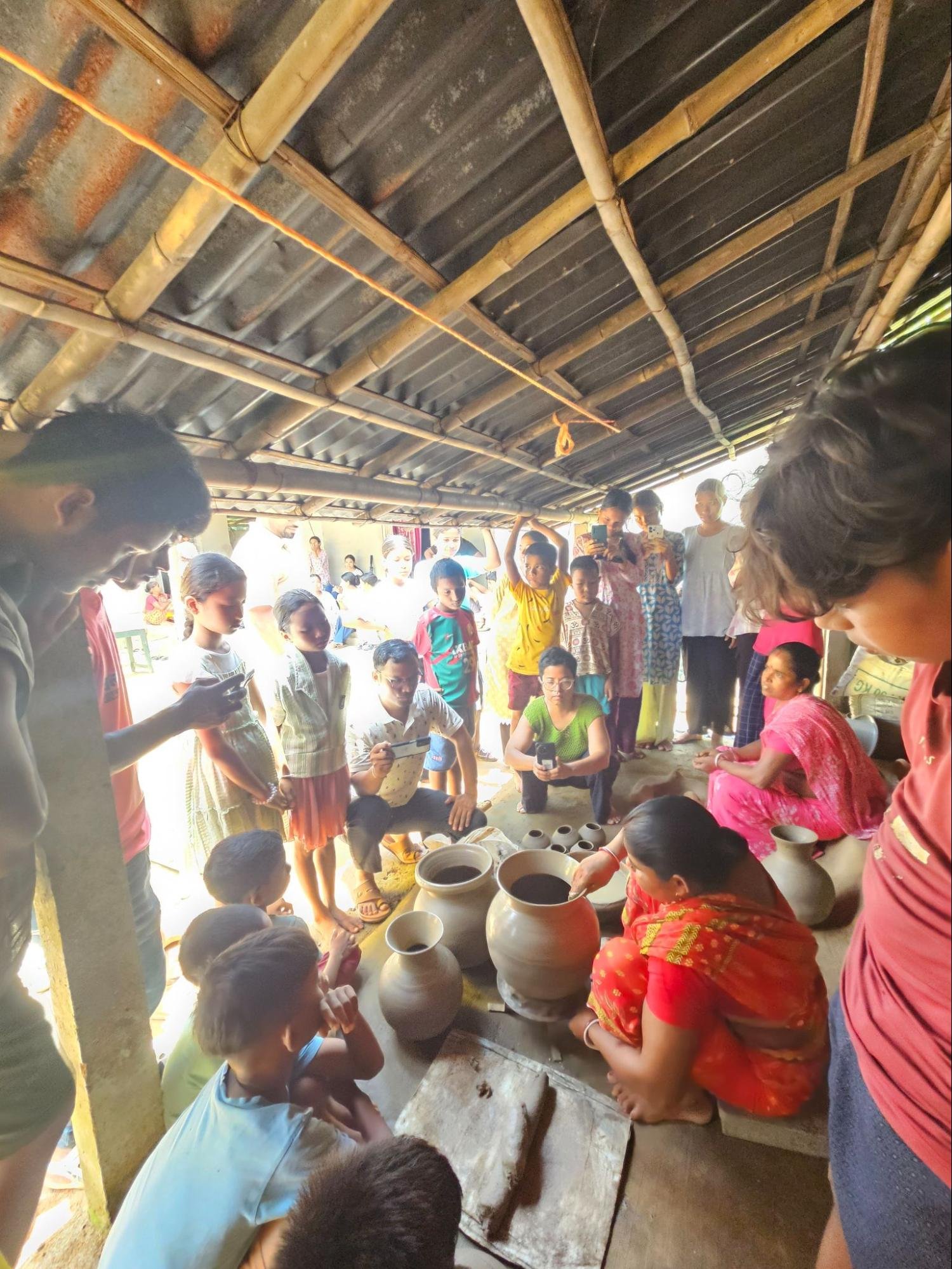 Pottery workshop with Traditional Pottery Artist of Goalpara
Goalparia pottery tradition, reclaimed as a source of dignity, identity and livelihood. Not just a craft demo.
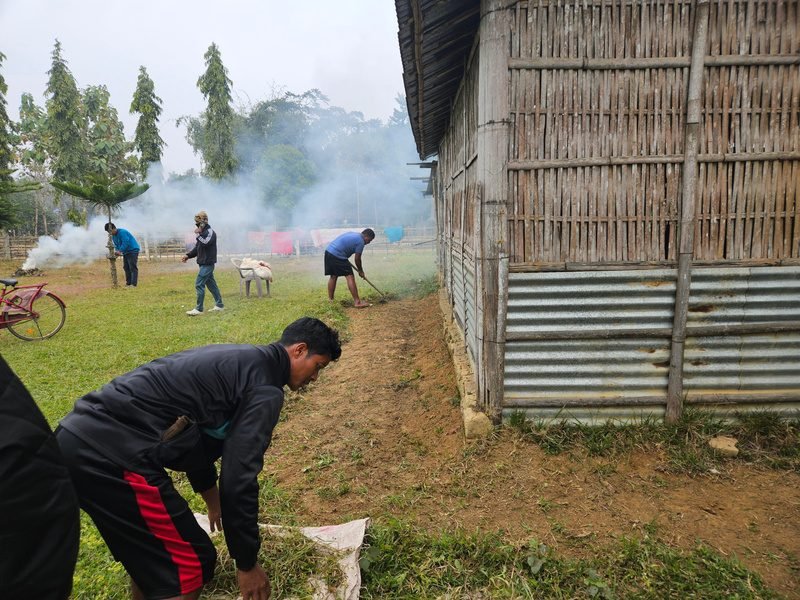 Bamboo Craft
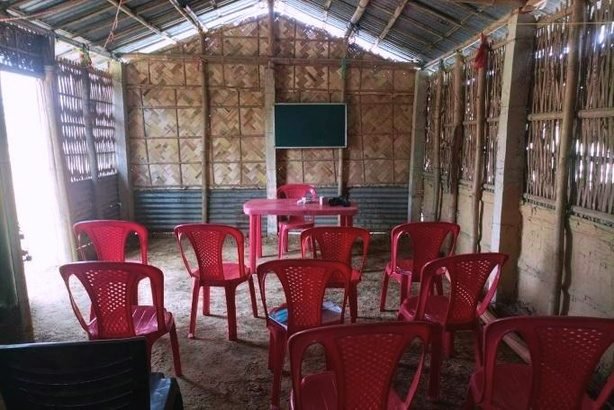
The same material the community used to rebuild the Apollo Club itself, now taught as a livelihood skill.
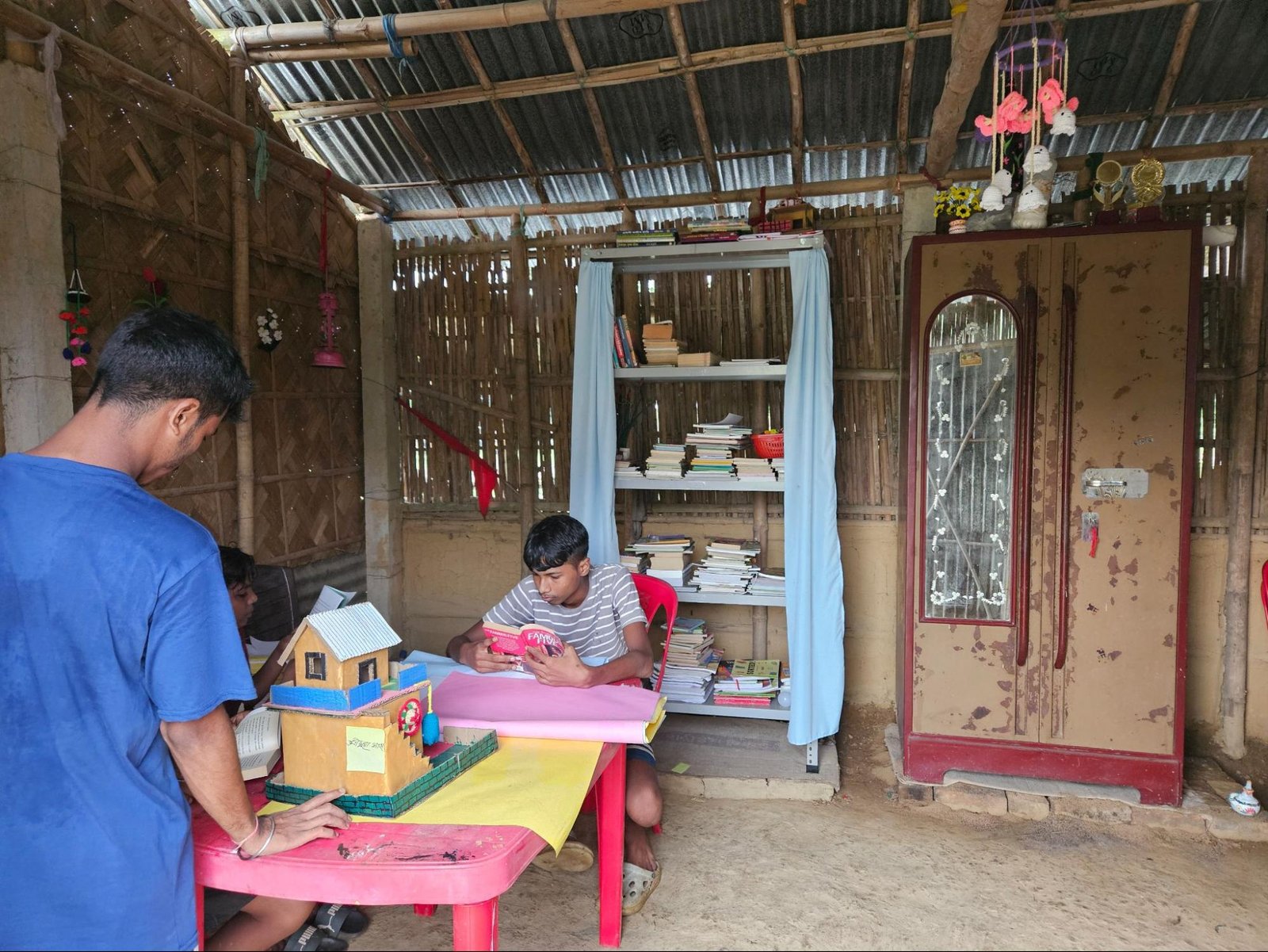
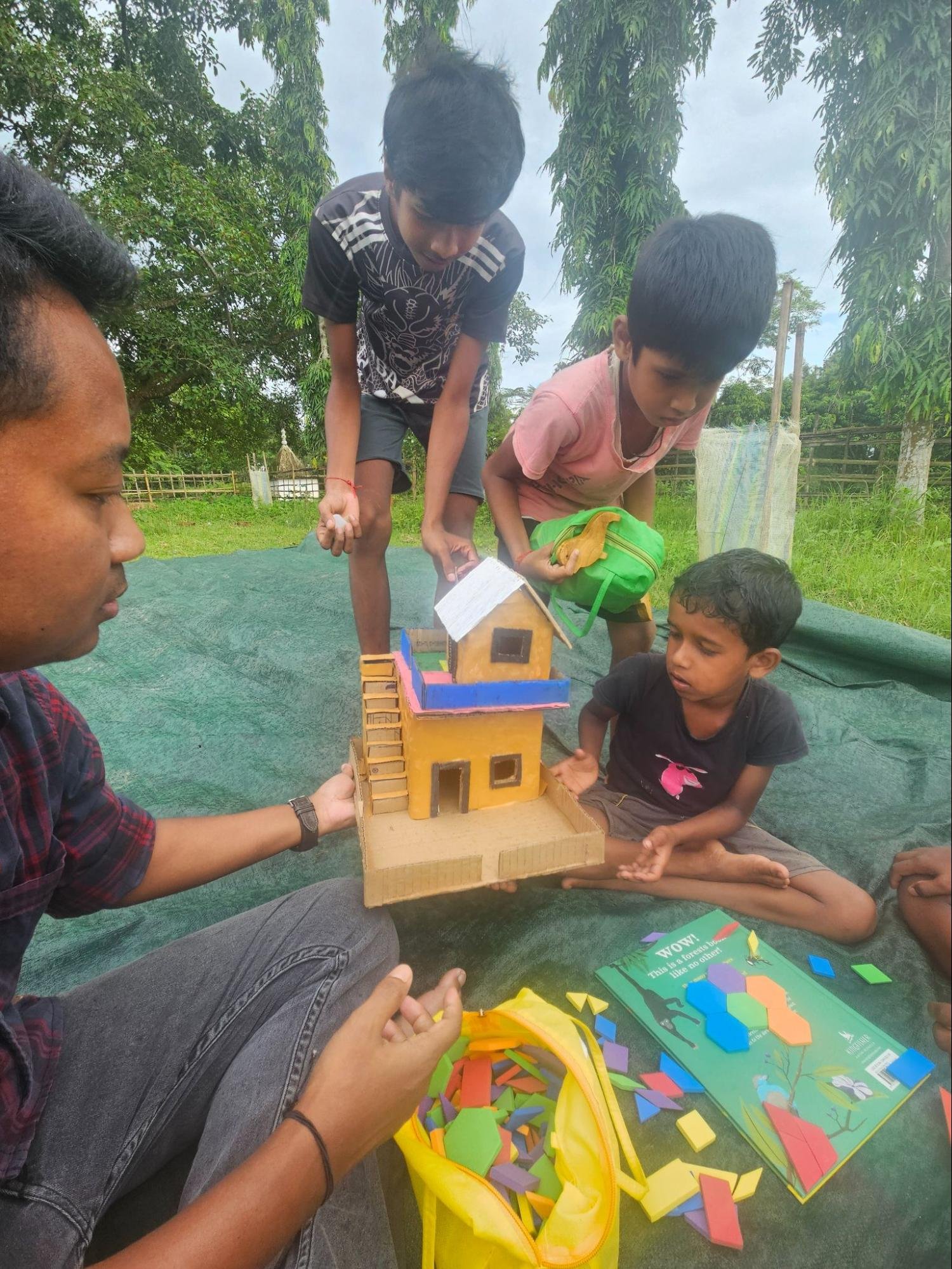
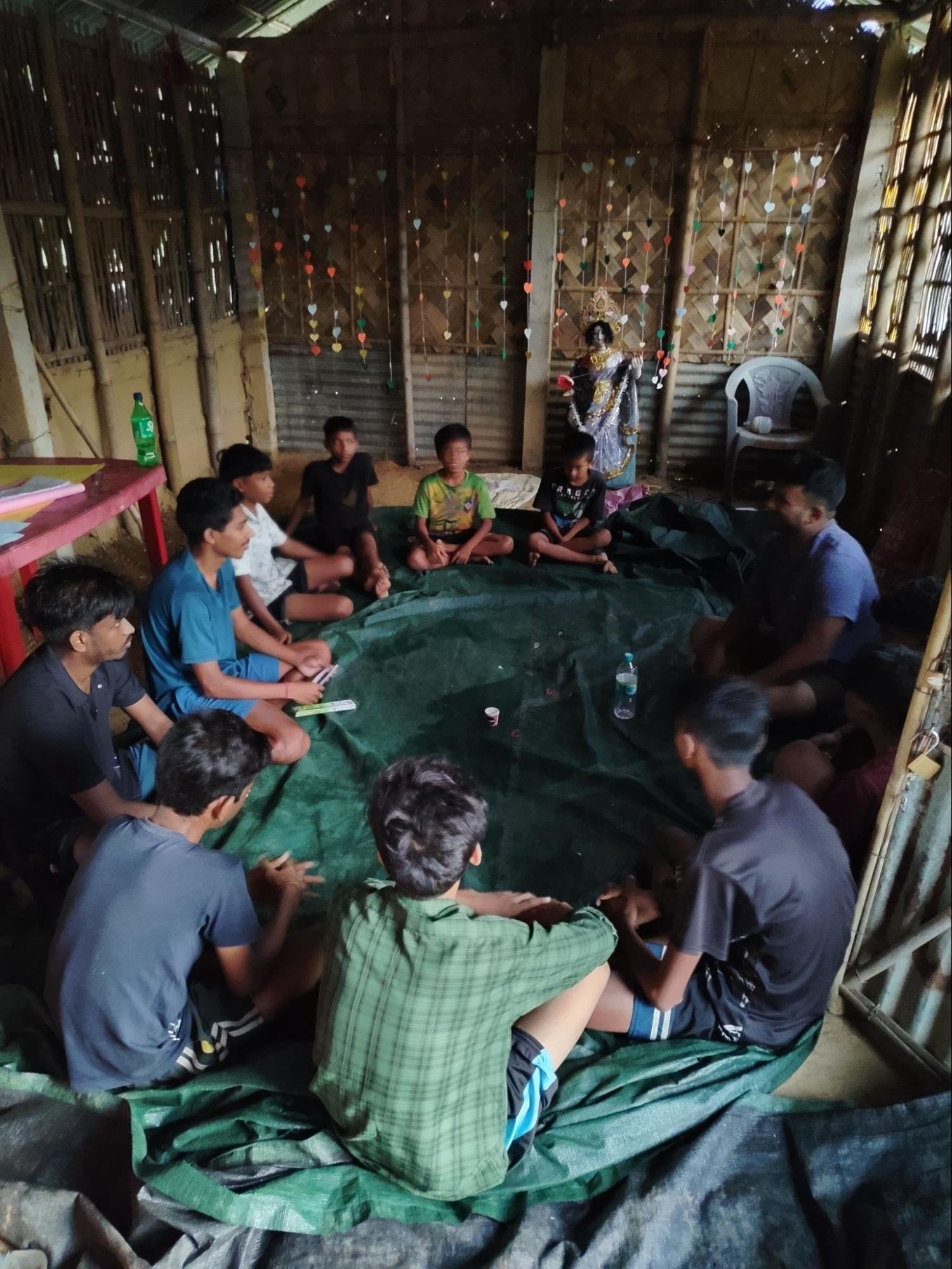
 Library session, Day 3 of Summer Camp
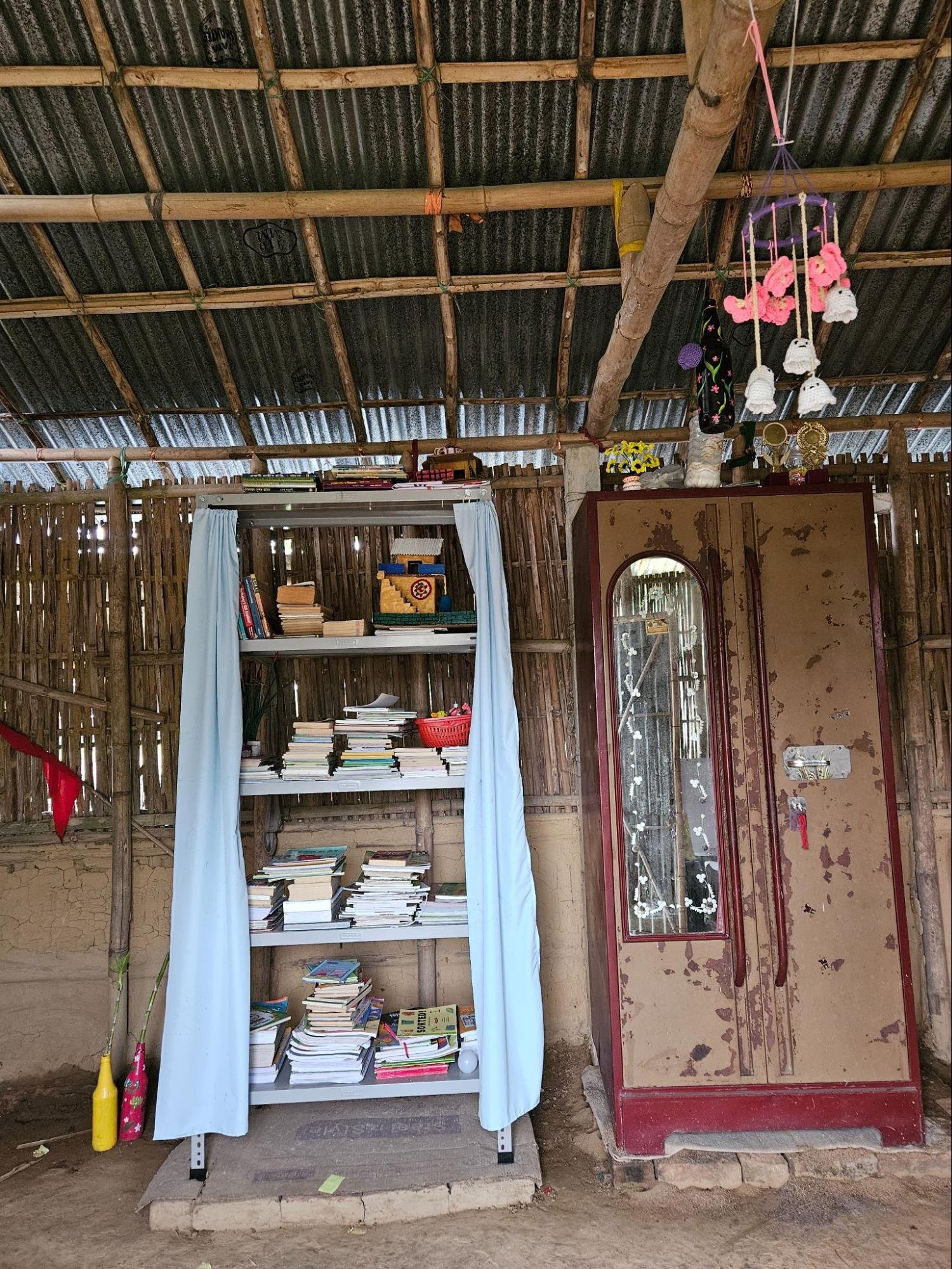
Through initiatives such as Apollo Library, we help create community-owned spaces where people can access books, knowledge, workshops and learning opportunities. Built from bamboo and donated books by community volunteers, in collaboration with the Free Library Network, CML (an initiative of Tata Trust) and Snehjori. Two community volunteers travelled to a Free Library Network seminar in Guwahati (their first night away from the village) and came back to take ownership of library activities, unprompted.
We connect communities with organisations, practitioners, institutions and networks that can contribute knowledge, resources and capacity.
Representation is about more than being present. It is about having the confidence, capacity and structures to participate and lead. Mitraja works with communities to strengthen:
By building leadership within communities, we develop local leaders, facilitators, and community trainers who can carry our work beyond the project period.
Women leadership: women, for the first time, started coming to Apollo Club and taking leadership in planning and execution of community development activities.
Our work is designed with an exit in mind. As community leadership and decision-making structures become stronger, activities can increasingly be planned and managed locally. Community committees become capable of carrying forward initiatives. Local resource people become knowledge-keepers. Young people become leaders. And Mitraja gradually steps back.
Our goal is simple: build something that can continue without us.
Sidhabari is home to around 400 households from five communities, Hajong, Dalu, Garo, Bengali Hindu and others, resettled here in Refugee Camp No. 8 and Camp No. 9 after the 1964 East Pakistan riots displaced tens of thousands of people into the Matia refugee camp system. That shared history of displacement is still the quietest, least-addressed layer of what this community carries. Roots & Belonging is our proposed two-year programme to work with it directly, not just livelihoods and skills, but identity, confidence and belonging.
Community history documentation, intergenerational dialogue and cultural revival, addressing the identity and confidence gap underneath the material poverty.
Creative livelihoods training, a dedicated women's economic pathway, and support accessing the land rights and entitlements many households are legally owed.
A community governance model the community designed itself: regular all-gender meetings, local sub-committees, and a recognised network of local facilitators.
This is a proposal we're actively raising support for. Get in touch if you'd like to see the full two-year plan.
Day-by-day photos, facilitator stories and the numbers from Summer Camp 2026 and our ongoing activities.