Our programs are practical expressions of the Recognition, Resources and Representation approach. They evolve according to community needs and learning.
Building spaces for young people to learn, participate and lead. Apollo Club, our hub for learning and resources, creates opportunities for young people to develop skills, confidence, relationships and leadership.
The aim is not to create participants. It is to create people who can lead.
Know moreA living library built by the community. Apollo Library is a community learning and resource centre created through local contribution and wider collaboration.
Open to the wider community, without an age restriction. Beyond books, it hosts workshops, learning activities and community interactions.
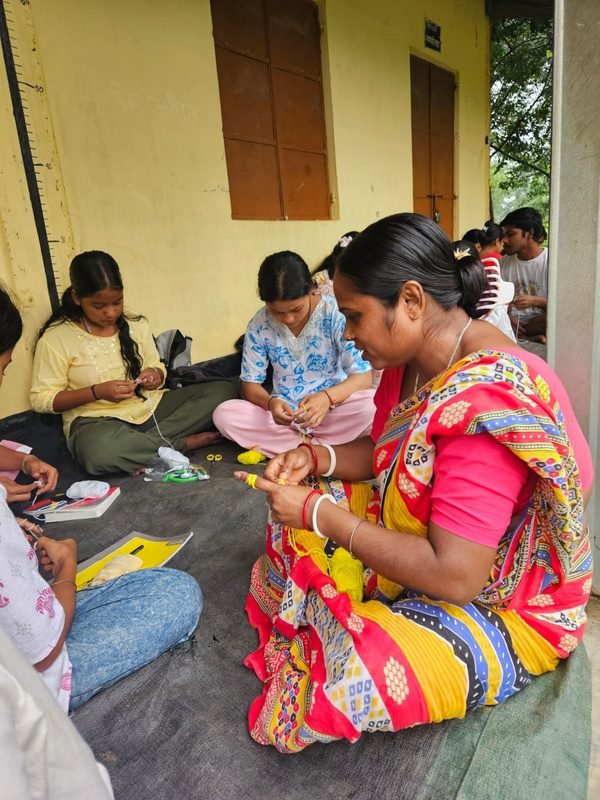
Know moreSkills rooted in creativity and local knowledge. Hands-on learning in areas such as crochet, embroidery, bamboo craft, pottery, knitting and handloom.
These workshops create opportunities to explore the relationship between traditional skills, contemporary design, entrepreneurship and livelihoods.
Know moreLearning that responds to community life. Our workshops are designed around locally relevant interests and needs.
See recent workshopsLearning beyond the classroom. Summer Camp brings together children, youth and community members through a mix of learning, creativity, health, sports and exploration.
More importantly, it demonstrates what can happen when community members contribute not only participation, but also time, knowledge, resources and leadership.
Day-by-day breakdown13–19 July 2026, Sidhabari. Organised through Apollo Club to bring back school dropouts and inactive members, mapped local leadership and resource people, and ran on community trust rather than outside funding.
participants, growing every day
years old, across generations
Sidhabari, Matia, Bakaitari, Uportola
of the total budget, cash and in-kind
Facilitated by Subraato Dalu, a school teacher from the community. Participants explored creativity using naturally available materials, giving the Mitraja team a first read on imagination, confidence and creative interest across the group.
Warm-up exercises, nutrition, healthy food habits, dietary needs and basic hygiene, showing how locally available food already meets most nutritional needs.
Quizzes, book categories and library-based games turned the community library into a shared learning space, and surfaced real curiosity in the children who came.
Our biggest single-day turnout. Participants were introduced to the rich tradition of Goalparia pottery through hands-on clay work, and to pottery as a real, creative livelihood.
Local flora, medicinal plants, herbs and traditional plantation techniques, paired with reflection on community-based leadership and local ownership. This session is what sparked our plan to map medicinal plants in the local language.
Enthusiasm, unity, teamwork, and interaction across every age group. Sports proved to be one of the strongest mediums for community mobilisation all week.
Songs, prize distribution and celebration closed the week, recognising every participant's contribution and cementing community ownership of what had just been built together.


Want the full write-up? Read the Summer Camp 2026 report and reflections →
Community contribution represented 45.74% of Summer Camp's total budget, through cash and in-kind contributions from Mitraja members and the local community. Local resource persons facilitated for free, and some even contributed money themselves.
This is one of our strongest learnings, and it will guide how we plan every future program: start with what a community already has (trust, volunteer effort, shared ownership) before reaching for outside funding.
 Community-funded, community-run
We keep our reflections visible on purpose. A foundation that only shows its wins isn't being honest about how community work actually gets built.
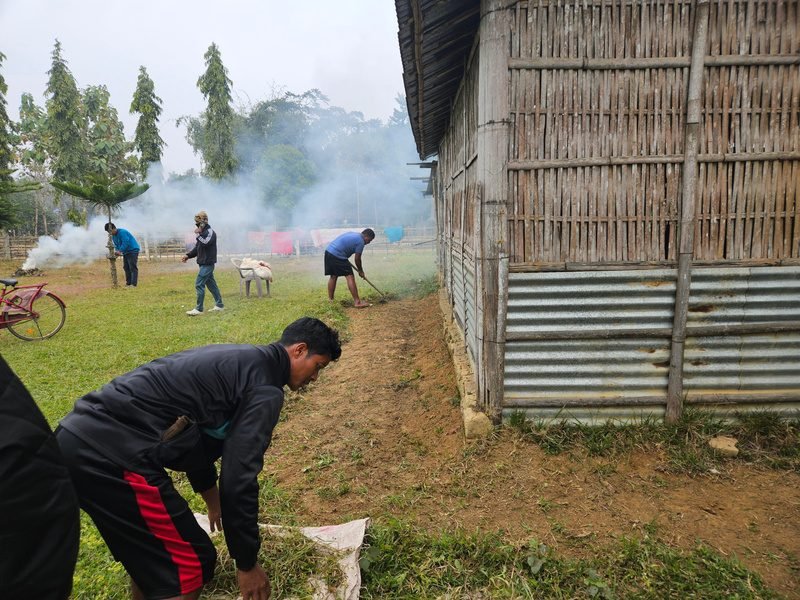
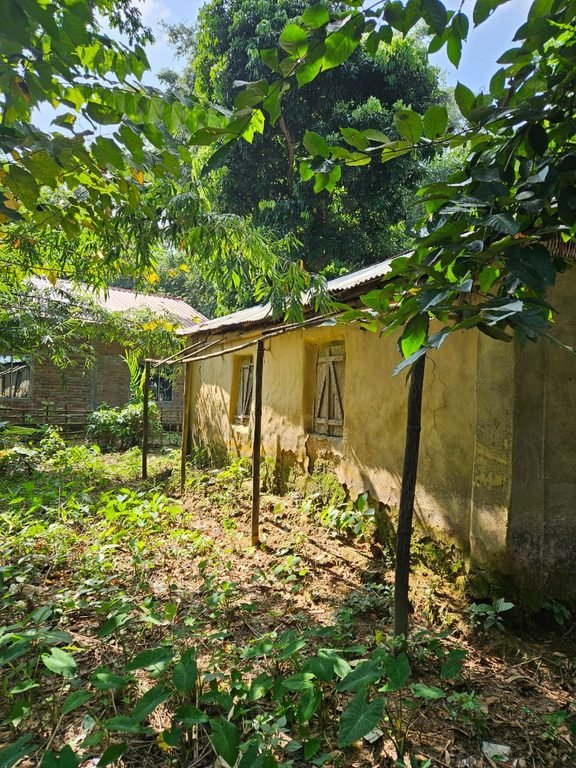
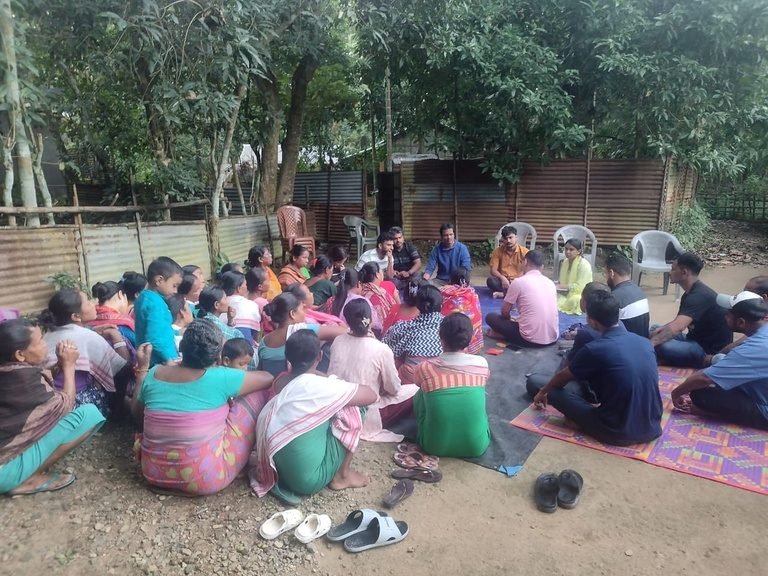
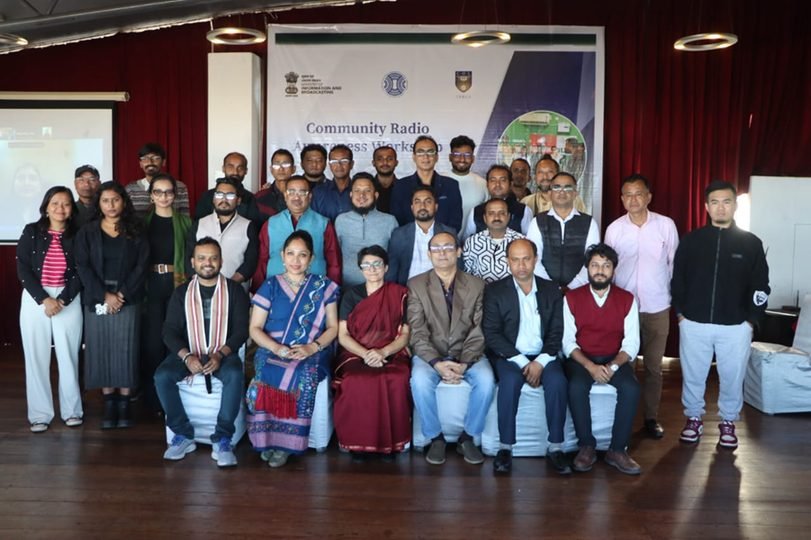
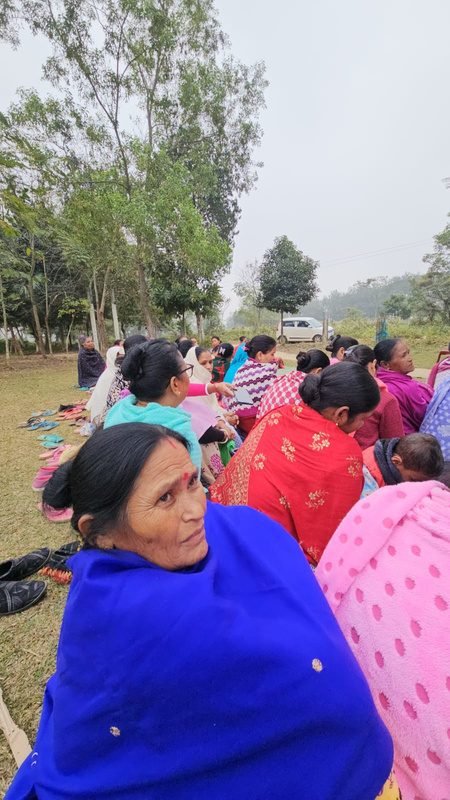
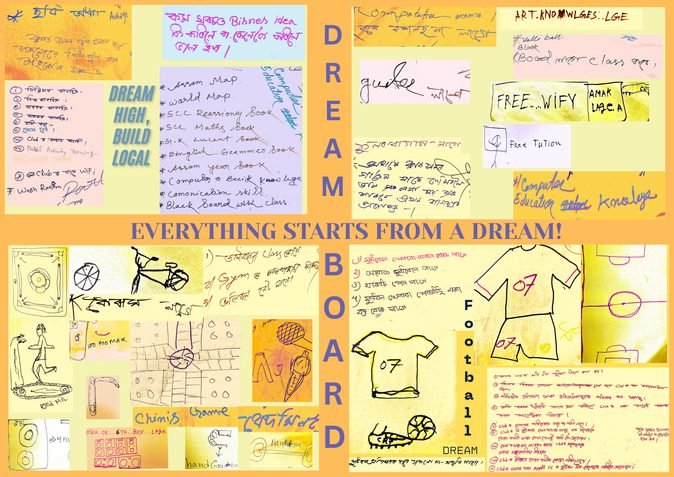
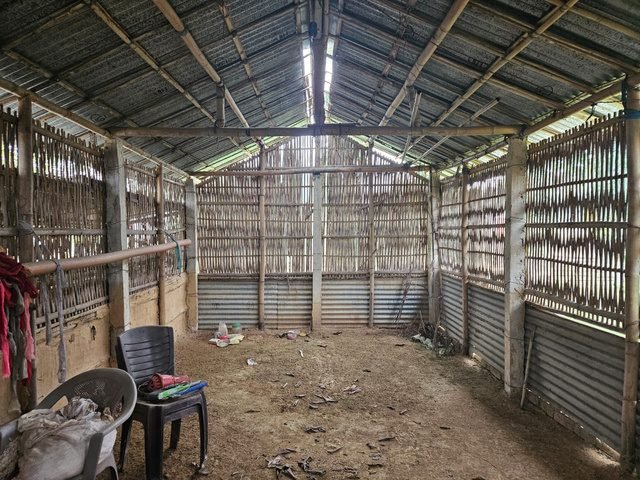
Real photographs pulled from Mitraja's own newsletter issues and brochure. We haven't matched every frame to its exact date and session yet, so treat these as a first look while we build out full captions.
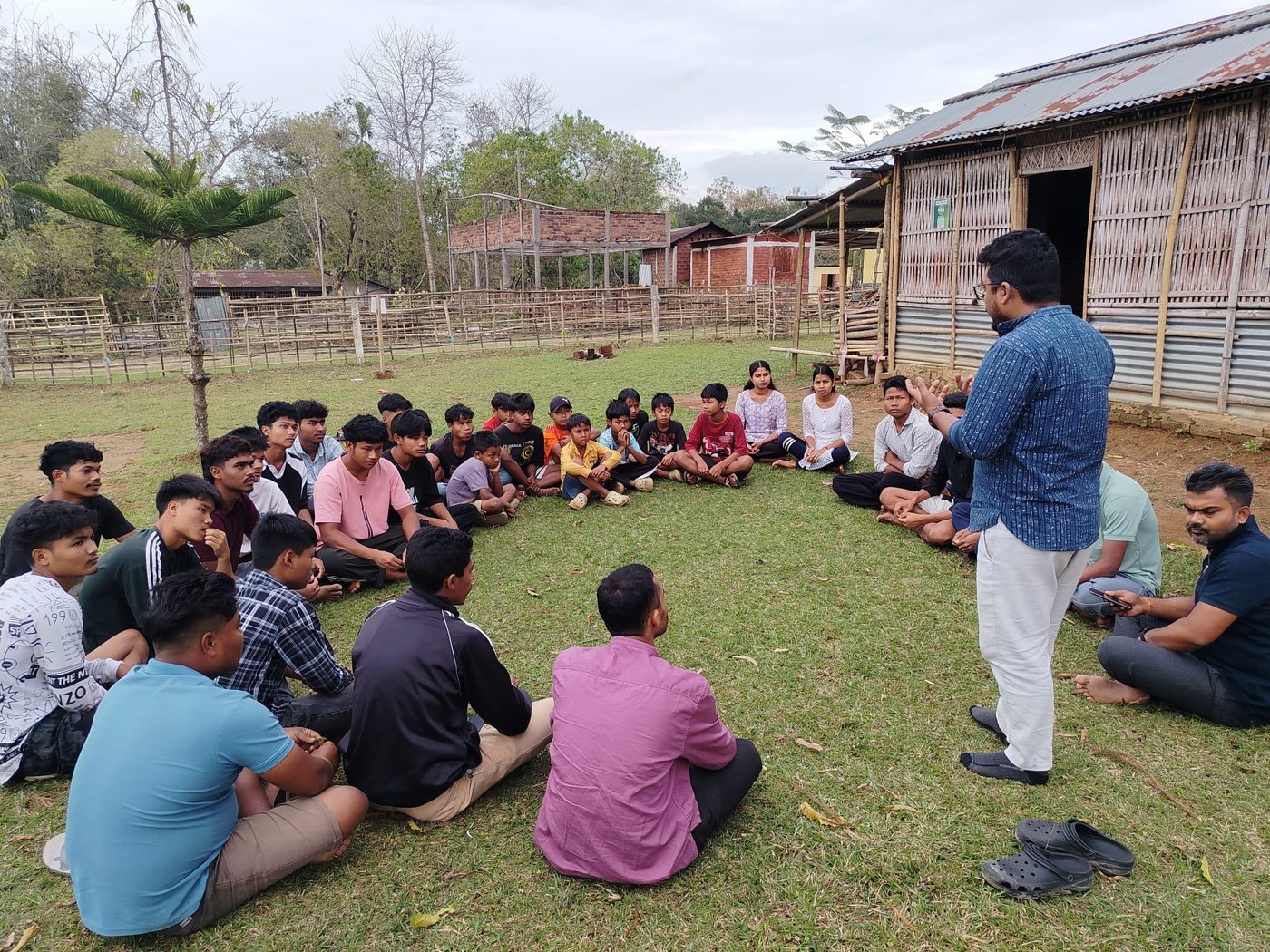

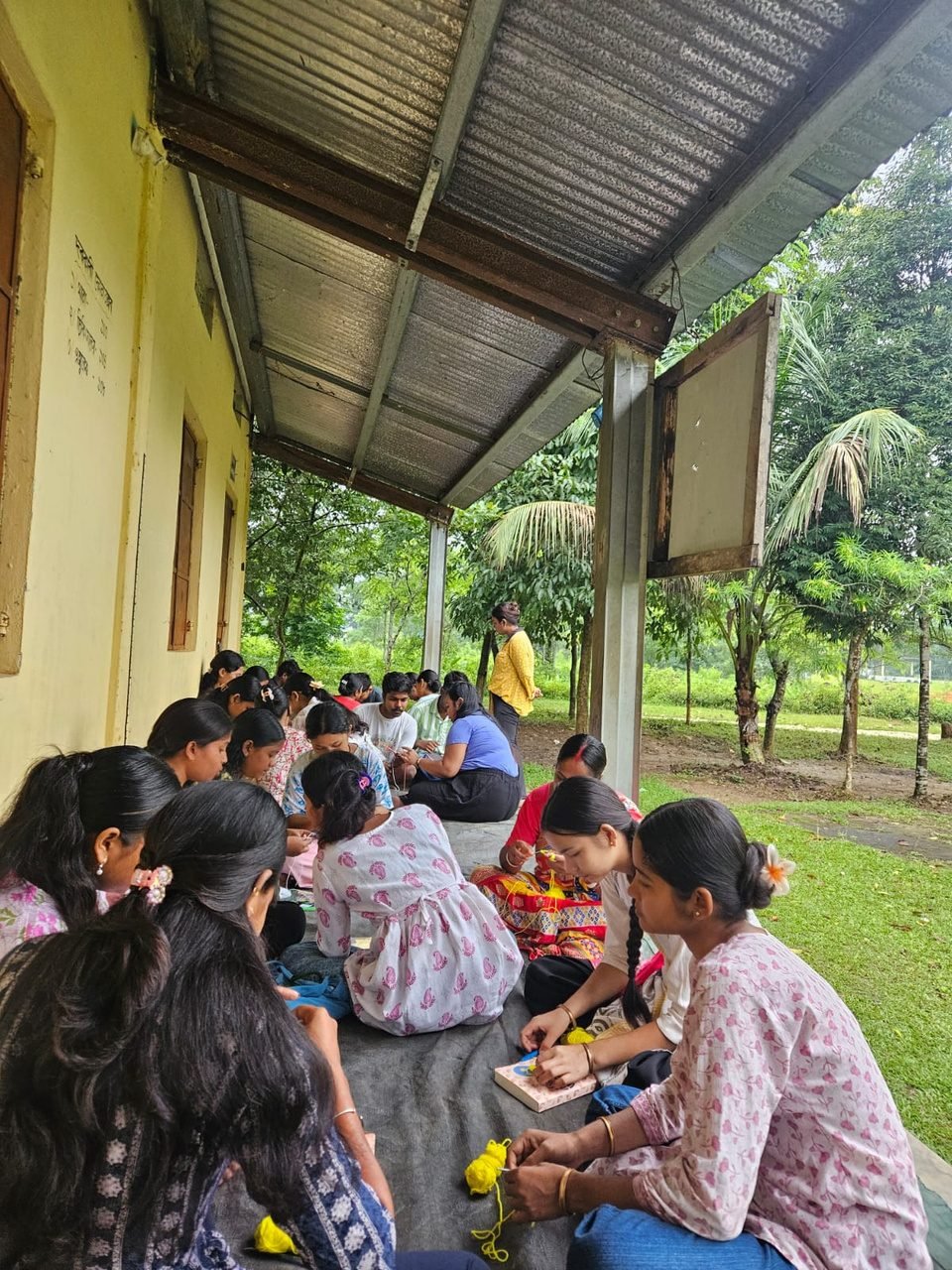
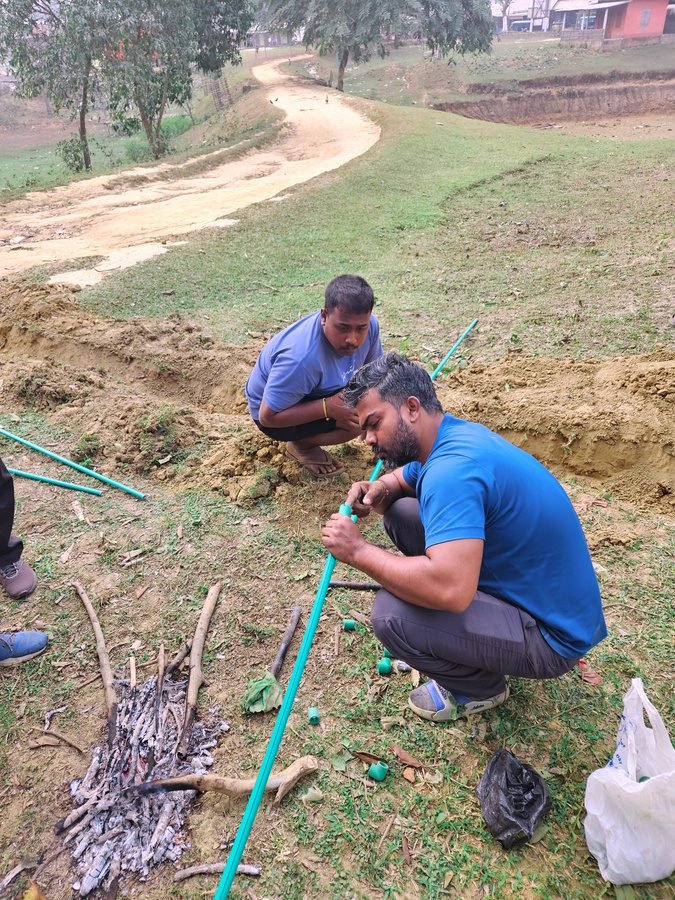
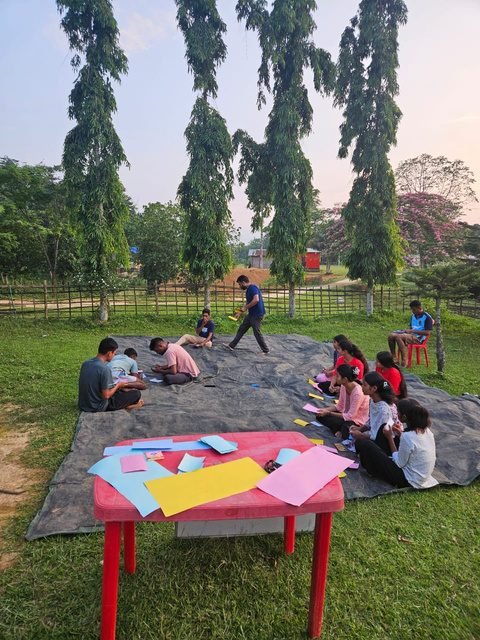
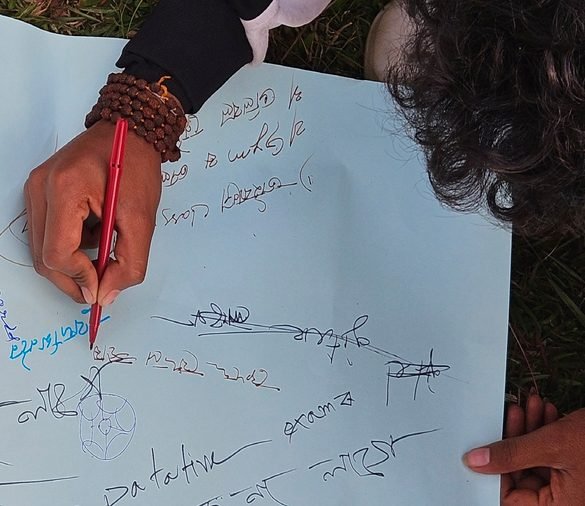
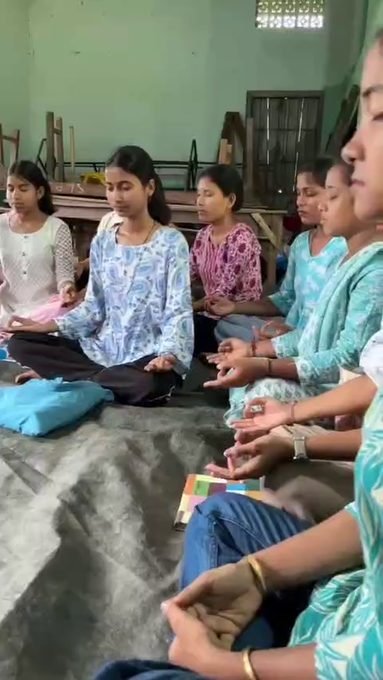
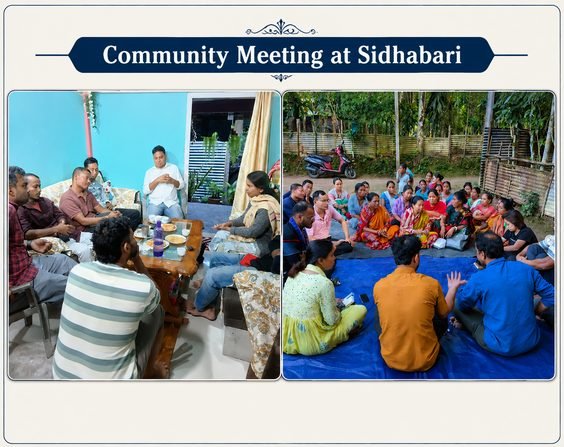
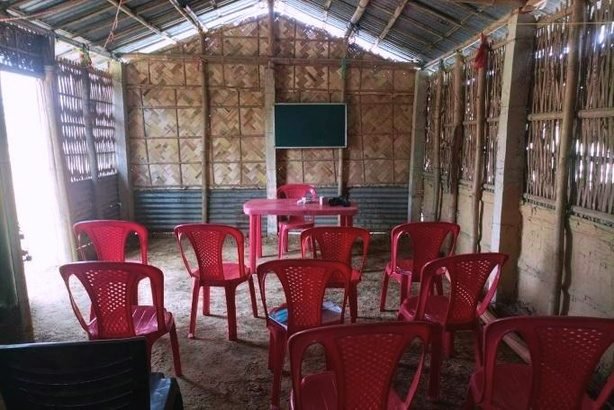
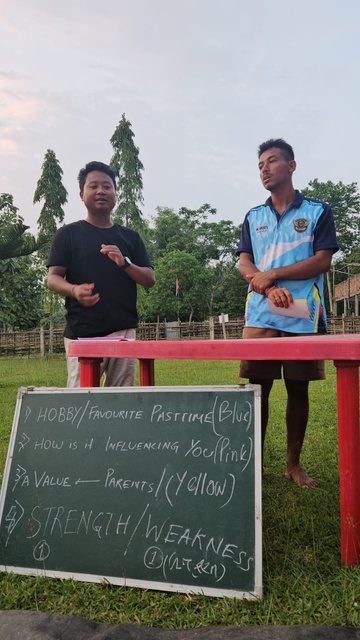
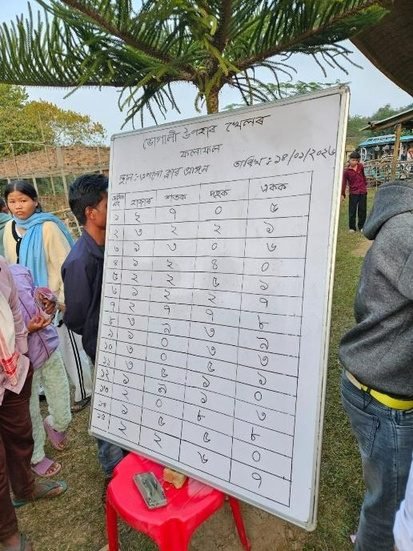
Sidhabari is home to around 400 households from five communities, Hajong, Dalu, Garo, Bengali Hindu and others, resettled here in Refugee Camp No. 8 and Camp No. 9 after the 1964 East Pakistan riots displaced tens of thousands of people into the Matia refugee camp system. Roots & Belonging is our proposed two-year programme to work with that shared history directly, building on everything above into a structured, community-governed initiative around identity, livelihoods and representation. Read the three pillars on What We Do →
Alongside our ongoing activities, community members handcraft products, from crochet to pottery to bamboo craft, that carry their skill and story. A soft nudge: buying one of these directly supports the artisan and the wider program.
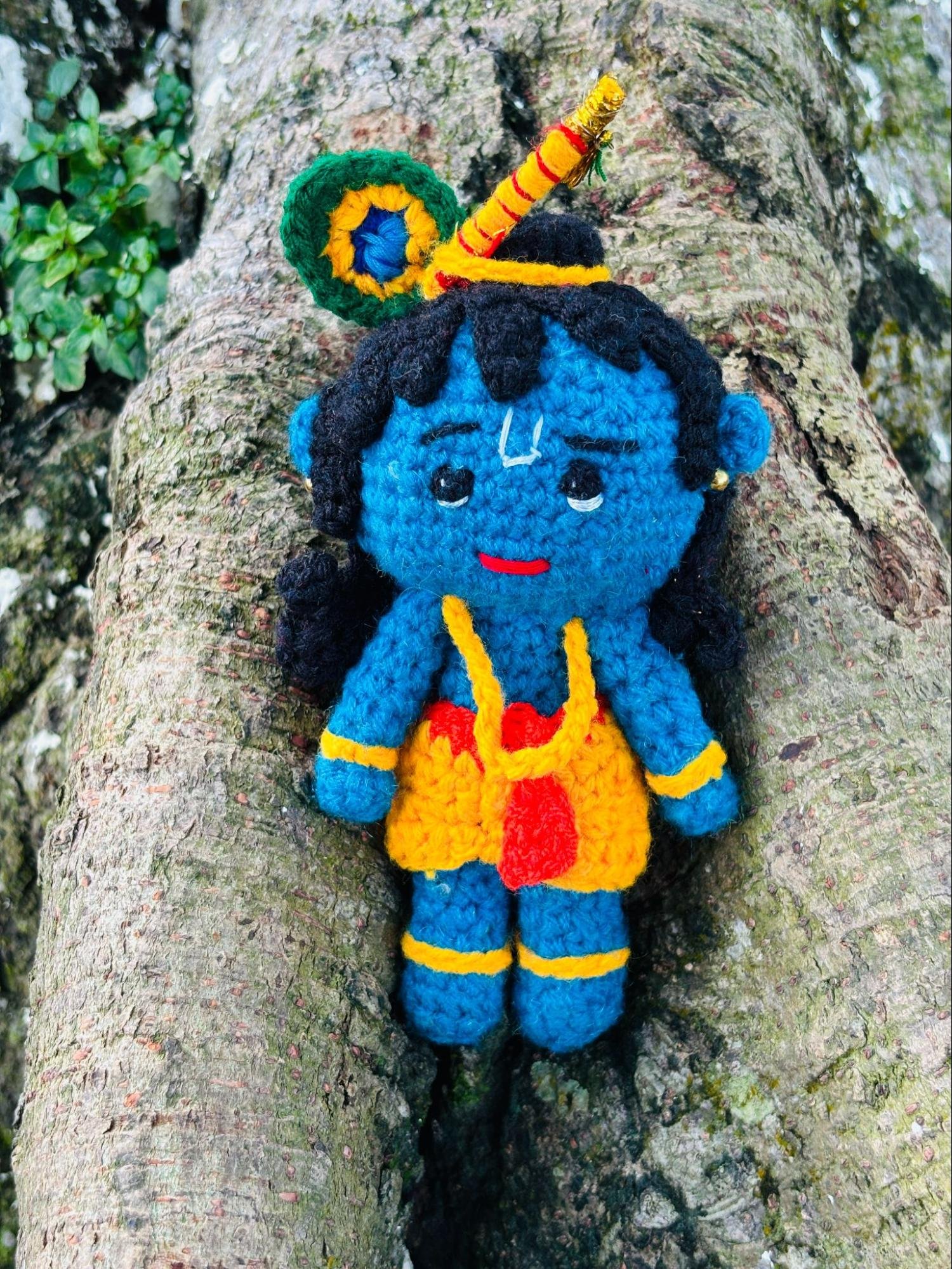
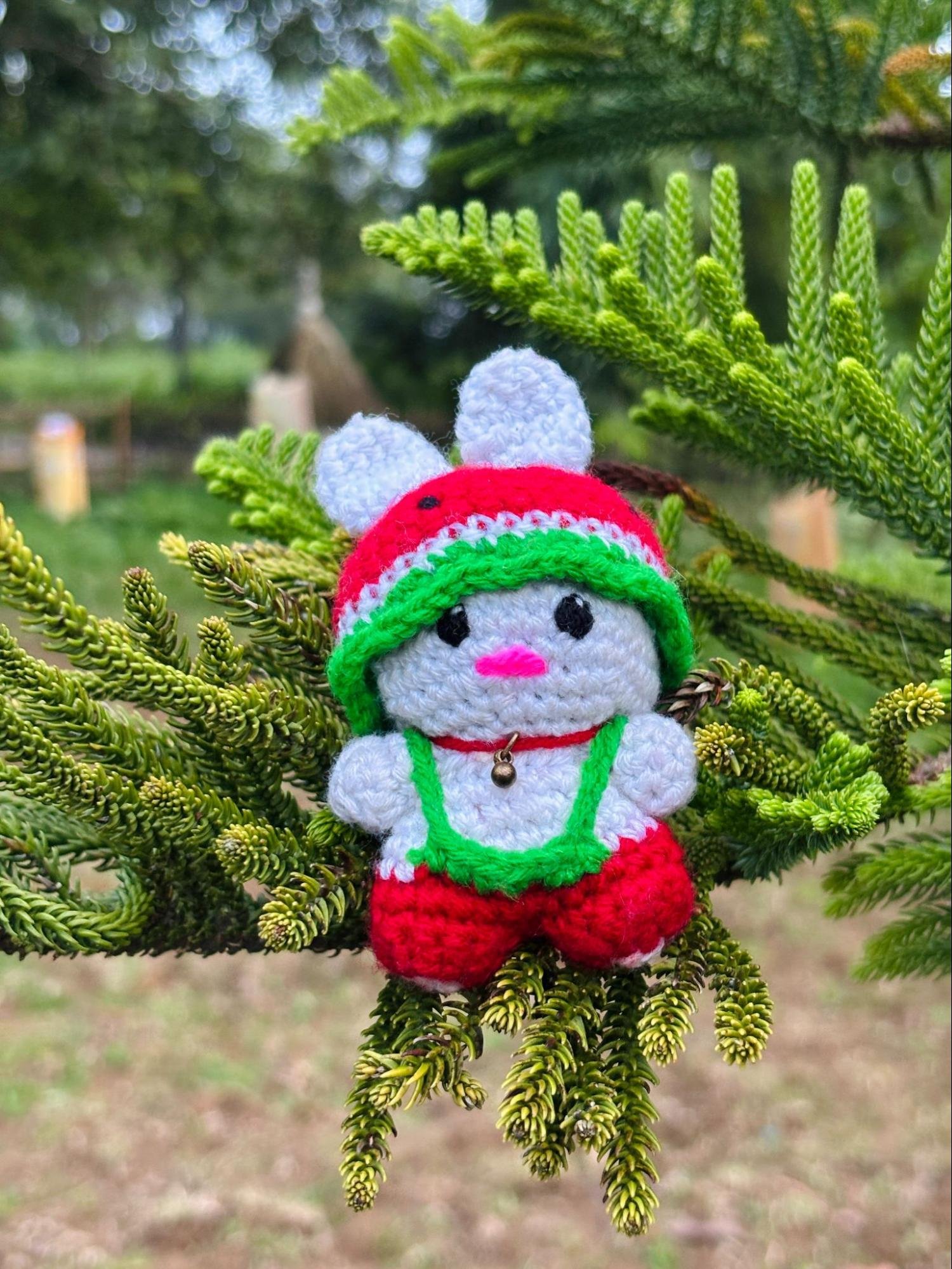
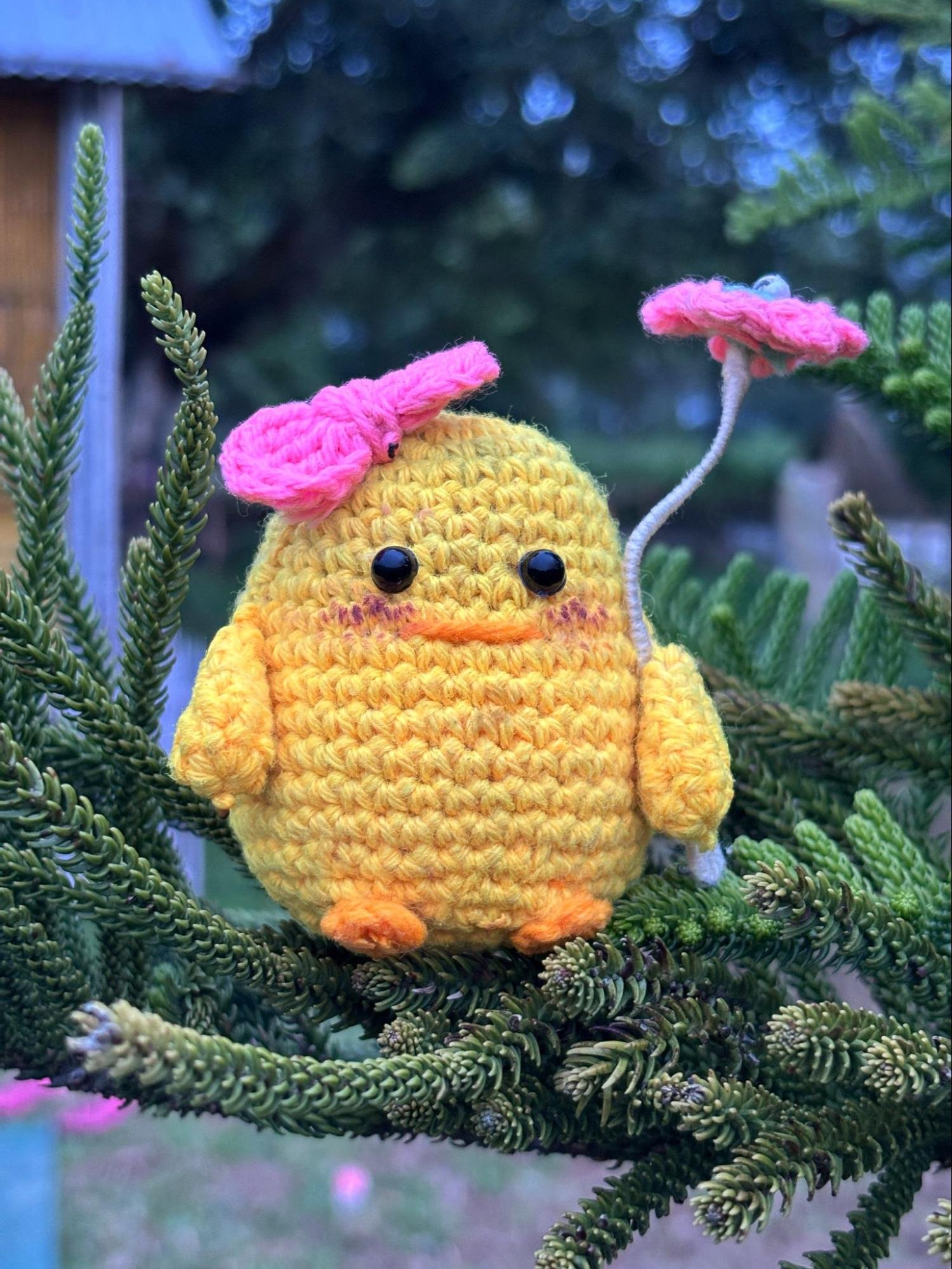
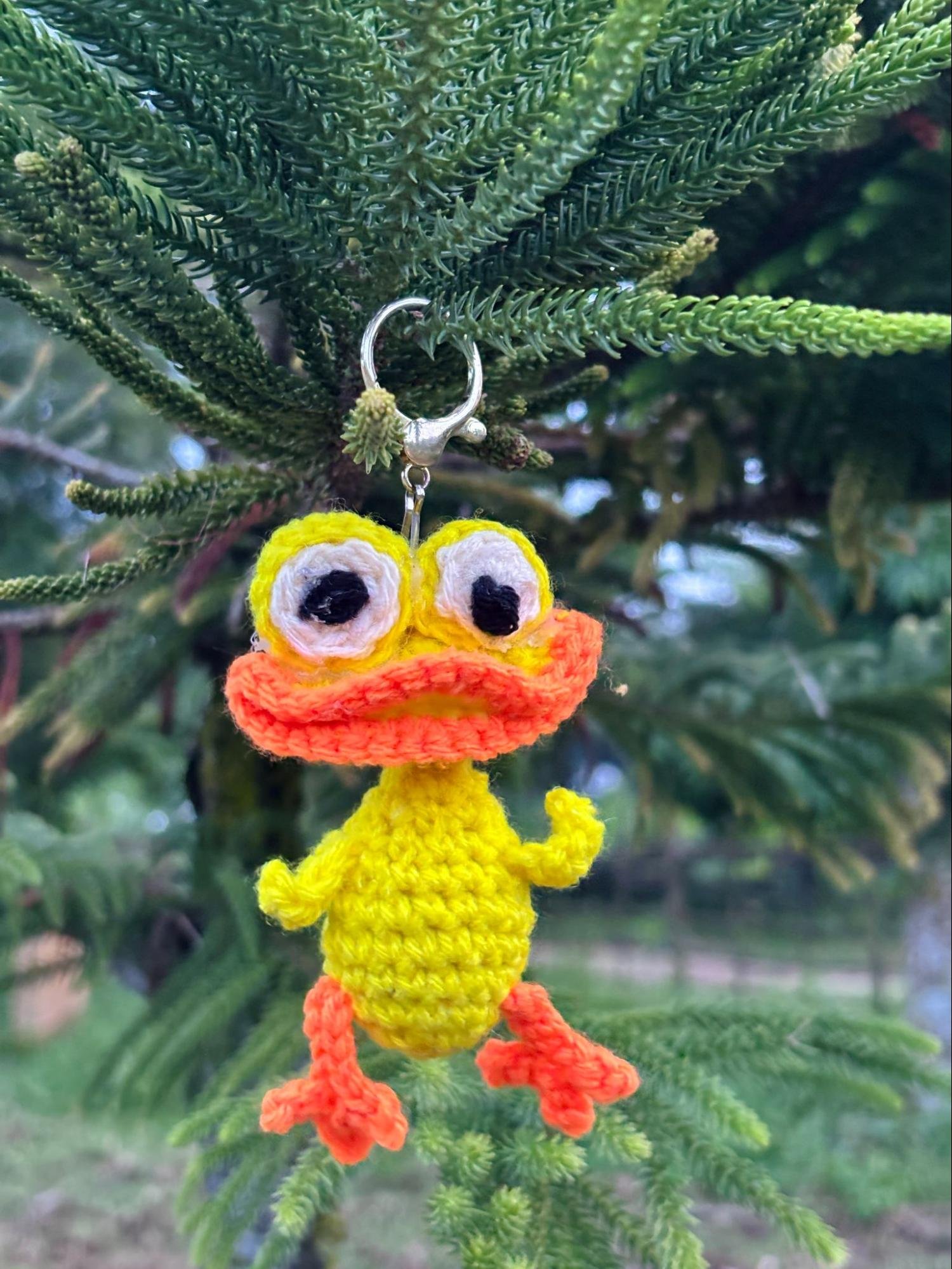
If these small crafts moved you, consider supporting these artisans → it goes directly toward sustaining this program.